What Is Epsom Salt Used For? A Bath and Body Guide
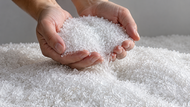
Epsom salt is used in bath and body products as a magnesium-sulfate mineral base. Its most familiar personal-care applications are full-bath soaks, foot soaks, and formulated mineral blends. The useful buying decision is not simply whether to use Epsom salt; it is whether you want plain material, a finished aromatic product, or a more complex formula designed for a particular routine.
This guide looks at those uses through The Midwest Sea Salt Company's products. It also explains how Epsom salt differs from magnesium flakes and sodium-chloride-based salts, and what changes when a home preference becomes a commercial product concept.
What Epsom salt is—and why the name matters
Epsom salt is magnesium sulfate. Table salt and Himalayan salt are sodium-chloride-based materials, while magnesium flakes commonly use magnesium chloride. These chemical identities matter when comparing formulas. Sharing the word salt, or even the word magnesium, does not make two materials interchangeable.
For a simple Epsom reference, our Unscented Pure Epsom Salt Soak lists magnesium sulfate with optional colorants according to the selected configuration. Compare that with a finished blend before deciding which is appropriate for your intended use.
Use 1: A straightforward mineral bath
An unscented Epsom soak suits a shopper who wants the mineral format without choosing a fragrance first. This can be useful when you prefer a simpler aromatic experience or want to evaluate the ingredient before considering a scented product.
The customizable unscented option offers several bag sizes and fine or coarse grain selections. Think about how much you will realistically use and store, and whether your preference is for a finer-looking material or more visible crystals. Those are practical product differences rather than a ranking of medicinal strength.
Use the supplied instructions for the selected product. If a listing does not provide a numeric amount for your intended setup, obtain guidance rather than taking a quantity from a different formula. Large package size does not mean the entire bag is one bath.
Use 2: A ready-made aromatic bath routine
A finished Epsom blend is the easier route when you want a prepared aromatic experience instead of assembling ingredients. Soothing Lavender offers a lavender direction, Relax & Unwind uses eucalyptus, and Vitamin Citrus follows a citrus profile.
Choose by the scent family you enjoy and the complete ingredient list. A sharper eucalyptus aroma is not evidence that a bath contains more useful mineral, and a softer floral character is not a reason to add extra product. The aroma is part of the finished routine.
These three-pound products share a resealable-pouch format. Their published directions should guide preparation. Keep the measuring cup dry and close the pouch before the bath starts so the remainder is protected from splashes.
Use 3: A foot-soak session without a full bathtub
Epsom-based products can also be used in a foot basin when their directions provide for it. This gives someone a different personal-care format from a full bath, with a smaller setup and its own measured amount.
It is important to distinguish a basic aromatic Epsom soak from a dedicated foot formula. Our Tea Tree Oil Foot Soak combines Epsom and Dead Sea salts with bicarbonate, MSM, and several essential oils. The broader formula and botanical aroma give it a different identity from a lavender Epsom product.
Choose the formula first, then follow its foot directions. Check whether an electric device allows salts and oils. A foot soak is not a substitute for treating a wound or persistent foot problem, and the CDC advises people with diabetes not to soak their feet.
Use 4: One component of a multi-mineral blend
Epsom salt does not have to be the only mineral in a finished soak. Mentally Elsewhere Bath & Foot Soak includes magnesium sulfate together with sodium chloride and magnesium chloride, plus other functional and aromatic ingredients.
This illustrates a different product-development choice: the formula is designed as a complete experience rather than a single-ingredient presentation. Its clay, botanical extracts, and fragrance mean you should expect something different from a plain Epsom solution.
For a shopper, this is a reason to compare the whole ingredient list and use directions. For a brand, it is a reminder that simply adding more salt names does not complete a formulation. Appearance, dispersion, aroma, packaging, and repeatability all need to work together.
Epsom salt versus magnesium flakes
Magnesium Crystal Flakes Bath Soak—Sleep Therapy uses magnesium chloride rather than magnesium sulfate. Its listed formula also includes aloe, glycerin, and an essential-oil blend. It is therefore a different finished product, not Epsom salt renamed as flakes.
That distinction is useful if you are comparing an evening aromatic routine. Evaluate the mineral base, the additional ingredients, the aroma, and the directions. Do not choose solely on the assumption that one chemical name guarantees better absorption through skin.
Our Epsom salt versus magnesium flakes guide explores the comparison further. When changing products, change the instructions you follow as well; a familiar scoop is not proof that the same amount applies.
What evidence supports magnesium-bath claims?
A mineral bath can be an enjoyable part of a wind-down routine without claiming to correct a deficiency. A clinical review of magnesium disorders notes that evidence for meaningful transdermal magnesium absorption is limited. That does not invalidate someone's enjoyment of a bath; it limits the medical conclusions that should be drawn from it.
Keep those questions separate. Your preferred aroma, a comfortable bath, and a repeatable routine are personal-care choices. Diagnosing a magnesium problem and deciding how to treat it require a different kind of evidence and advice.
For makers: moving from ingredient to commercial soak
A retail bag can help you evaluate a material, but it does not provide all the specifications of a commercial formula. Define the intended texture, aromatic direction, color, packaging, and customer instructions before scaling. Adding oil or botanicals changes the product you need to assess.
The Unscented Bath Salt Sampler Set is one way to compare four mineral categories before choosing a direction. For a production project, our bulk formulation program and private label program are separate paths depending on whether you need bulk supply or finished branded packaging.
How to choose the Epsom product that fits
Choose unscented mineral salt if the plain-material format is your priority. Choose a prepared lavender, eucalyptus, or citrus Epsom soak if you want an aromatic routine with defined directions. Compare dedicated foot and multi-mineral formulas when those formats better fit the way you intend to use the product.
Then review the package size, ingredients, and storage requirements. The Epsom salt soak collection is easier to navigate once those choices are clear. You do not need the longest list of claims; you need a product that matches the application and a routine you can follow consistently.