
Why Traceability Matters in Bath & Body Ingredients
Posted by Midwest Sea Salt Co. on 12th Mar 2026
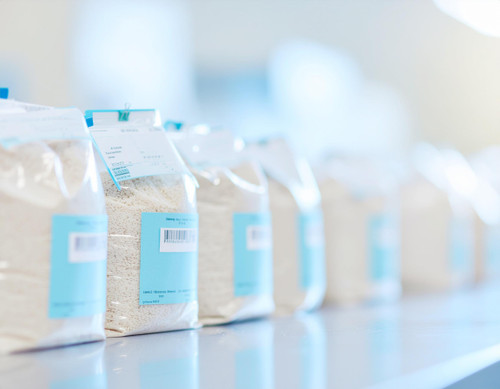
Traceability matters in bath and body ingredients because it provides visibility into where materials come from, how they are handled, and whether they meet defined quality expectations. In practice, traceability is not just a compliance concept—it is a practical tool for protecting consistency and reducing sourcing risk.
As bath and body products are produced at scale, small changes in raw materials can create noticeable differences in performance. Without traceability, identifying the source of these changes becomes difficult. Clear documentation allows manufacturers to understand exactly what entered a formulation and when.
When ingredients are traceable, brands and manufacturers can confirm origin, understand processing steps, and maintain records that support quality assurance. This visibility makes it easier to identify issues early and respond quickly if a material does not meet specifications.
Traceability also supports formulation stability. If texture, solubility, or performance shifts from one batch to another, documented sourcing information helps narrow down whether the cause was a specific supplier lot, a processing variation, or a sourcing substitution.
Without traceability, these changes are harder to diagnose. Manufacturers may be forced to troubleshoot blindly, increasing the risk of inconsistency and delayed production.
Another key benefit of traceability is accountability. Suppliers that maintain strong documentation and consistent standards are easier to work with long-term. Expectations are clearly defined, measurable, and verifiable.
This accountability supports stronger supplier relationships. When sourcing partners understand that materials are tracked and evaluated, quality standards tend to remain higher and more consistent over time.
Traceability also plays a role in transparency. Brands are increasingly expected to explain what goes into their products and where those materials originate. Having accurate sourcing records allows brands to communicate confidently and credibly.
In categories that rely heavily on foundational ingredients—such as mineral-based bath soaks found in bath salt and soak offerings—traceability helps ensure that mineral composition and performance remain stable across production runs.
Mineral-based and specialty ingredients, including those used in magnesium-focused care products, especially benefit from traceable sourcing. Variations in mineral purity or processing can affect how products dissolve or feel during use.
For private label brands, traceability supports trust throughout the supply chain. Retailers, spas, and professional buyers increasingly expect manufacturers to stand behind their sourcing practices with documentation rather than general assurances.
Traceability also reduces long-term risk. Brands that know where their ingredients come from are better prepared to respond to regulatory changes, supplier disruptions, or quality concerns without scrambling to find replacements.
This foresight protects product continuity. When sourcing decisions are documented and intentional, brands are less likely to face sudden reformulations that could alter the customer experience.
Traceability is also an operational advantage. Clear sourcing records support more efficient audits, smoother onboarding of new team members, and more accurate forecasting.
This emphasis on traceability is part of sourcing standards at The Midwest Sea Salt Company, where bath and body products are manufactured with consistent inputs, documented sourcing practices, and a quality-first approach.
Rather than treating traceability as an administrative task, it is approached as a core quality system. Each documented decision contributes to product reliability and brand integrity.
Ultimately, traceability matters because it protects the end product and the brand behind it. When ingredients are traceable, quality becomes easier to maintain, trust becomes easier to earn, and growth becomes easier to sustain.