
Epsom Salt Foot Soak at Home: A Step-by-Step Guide
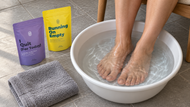
An Epsom salt foot soak can be a simple part of an at-home foot-care routine, but the details matter: which product you choose, how much you add, whether it contains other minerals or aromatic ingredients, and how you handle the soak afterward. A bag labeled Epsom salt and a multi-ingredient bath-and-foot blend can both belong in the bathroom without sharing the same directions.
This guide uses products from The Midwest Sea Salt Company to show those differences. It provides a complete home method, compares three finished formulas, and explains when a foot soak is a better fit than a scrub or spray. It does not treat soaking as a remedy for a foot condition.
Choose the product before measuring the water or salt
Start with a formula intended for the use you have in mind. Plain mineral salt gives you a different ingredient experience from a premixed botanical or fragranced product. The product's directions should determine the measured amount; do not begin with an internet ratio and assume every formula will fit it.
Soothing Lavender Epsom Salt Soaking Solution pairs magnesium sulfate with lavender essential oil. Its foot-soak instructions specify one-half cup in a basin of warm water and 15–20 minutes. It is a straightforward choice when you want an Epsom-based soak with a familiar floral aroma.
For a different scent direction, Relax & Unwind Epsom Salt Soaking Solution uses eucalyptus essential oil. Compare it with lavender by aroma preference rather than assuming one must be more effective because it smells sharper.
How a dedicated foot soak differs from an Epsom blend
Tea Tree Oil Foot Soak contains both Dead Sea salt and Epsom salt, plus sodium bicarbonate, MSM, and a blend of tea tree, chamomile, rosemary, eucalyptus, spearmint, and peppermint oils. This is a more complex formula than a two-ingredient lavender Epsom blend.
Its listed use range is one-half to one cup with a 15–20 minute soak. Read the current package for the intended preparation rather than transferring the amount to every basin or electric device. Choose this product when its botanical scent profile and dedicated foot-care format appeal to you—not as a reason to assume the same instructions apply to every tea-tree product.
Mentally Elsewhere Bath & Foot Soak offers another option: coconut-style fragrance with sodium chloride, magnesium sulfate, magnesium chloride, bicarbonate, kaolin, and botanical extracts. Its foot directions specify one-quarter to one-half cup for 15–20 minutes. That lower stated range illustrates why the product name and full formula matter.
What to gather before starting
- A clean basin that gives both feet room without crowding.
- Your chosen foot-soak product and a clean, dry measuring cup.
- Comfortably warm water, a towel, and a stable chair.
- A place for the basin where spills will not create a slipping hazard.
If you use an electric foot spa, read the device manual before adding salts or aromatic products. A formula intended for a normal basin is not automatically suitable for a machine's pump, jets, or heating system. Have everything ready before your feet go in the water so you do not need to walk across a wet floor.
Step 1: Set up a clean, comfortable basin
Wash and rinse the basin, then fill it to a comfortable level that leaves space below the rim. You need room for displacement when your feet enter. Check the water before beginning and keep it comfortably warm rather than hot.
Do not use soaking time to ignore a wound, persistent pain, swelling, or a suspected infection. The CDC advises people with diabetes not to soak their feet. Reduced sensation and circulation concerns also call for individualized medical advice instead of following a general home guide.
Step 2: Measure the chosen formula accurately
Use the amount on your selected package. For the lavender Epsom example, that is one-half cup. Measure while the cup and your hands are dry, then close the bag before adding the portion to water. Keeping the pouch away from the basin reduces the chance of splashes entering the remaining product.
A cup is a volume measure. It should not be confused with the ounces printed as the bag's net weight. Do not estimate the number of sessions in a pouch by treating eight weight ounces as one cup of crystals. If you want a reliable personal usage record, weigh an actual measured portion of that product on a kitchen scale.
Step 3: Dissolve before putting your feet in
Add the measured portion to the warm water and stir. For Epsom products, allow the crystals to dissolve rather than letting your feet rest on undissolved grains. A multi-ingredient blend may produce a different appearance because its formula contains more than soluble mineral salt.
Kaolin in a Mood Soaks formula, for example, is a different ingredient from Epsom crystals; do not keep adding heat or extra product because you expected the water to behave like a plain salt solution. Also avoid adding concentrated essential oil. The premixed aromatic formula already provides its own scent system.
Step 4: Soak within the stated time
The three examples above list 15–20 minutes for foot use. Set a timer and remain comfortably seated. Stop earlier if you notice discomfort. A longer soak is not an automatic upgrade, and a strong tingling sensation should not be used as a test of whether a product is working.
For a repeatable routine, keep the same product, a similar water level, and the labeled amount. Changing several things at once makes it harder to tell whether you prefer the scent, the dilution, or simply a different water temperature.
Step 5: Dry, clean, and store
Follow the product's rinse directions, then dry your feet thoroughly, including between the toes. Empty the basin rather than saving used water. Wash and rinse it, let it dry, and remove any slippery residue from the surrounding surface before standing.
Store unopened and opened soak packages in a cool, dry location. A resealable pouch still needs to be closed completely. Do not leave a wet measuring cup inside or pour a wet portion back into the bag. These habits matter more to the next session than adding extra ingredients to this one.
Foot soak, foot scrub, or foot spray?
These formats have different jobs in a routine. A soak goes into water. A Tea Tree Oil Foot Scrub is massaged gently onto damp feet and rinsed away; its coconut-oil-containing formula and physical particles make it a separate product. A Tea Tree Oil Foot Spray is a liquid application for clean, dry feet.
You do not need all three for a successful home session. Choose the format that answers your immediate need and follow its own directions. For the soak itself, compare the Epsom salt range by ingredients and scent, then build a simple routine you can prepare, enjoy, and clean up consistently.