
How to Source Body Scrubs in Bulk: Texture, Fragrance, Packaging, and Order Planning
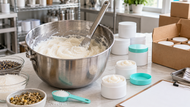
Buying body scrub in bulk can look simple from the outside: choose a texture, select a scent, decide on a package, and place an order. In practice, the best bulk body scrub program begins much earlier. The formula needs to fit the customer, the intended use, the sales channel, the packaging process, and the way the product will be reordered.
This guide explains what buyers should evaluate before sourcing bulk body scrubs, whether you operate a spa, salon, hotel, retail store, refill program, wellness brand, or growing e-commerce business. It also explains when bulk formulation, wholesale purchasing, or private-label manufacturing is the better path.
What Does Buying Body Scrubs in Bulk Mean?
Bulk body scrub generally means purchasing the product in larger containers rather than individual, retail-ready units. The product may be used as backbar treatment product, portioned for spa services, packaged by the buyer, sold through a refill program, or used as the base for a branded product line.
Bulk is different from wholesale. Wholesale usually refers to finished products purchased for resale, while bulk focuses on the product itself and the buyer's packaging or operational needs. Private label adds another layer: the product is prepared for sale under the buyer's own brand, with decisions around formula direction, fragrance, packaging, labeling, and finished presentation.
Before requesting a quote, decide whether you need bulk body scrub, finished wholesale products, or a private-label body scrub program. Choosing the wrong path can create avoidable packaging work, storage problems, or a product that does not fit how your customers buy.
Start With the Intended Customer and Use
The right body scrub depends on where and how it will be used. A spa may need a dependable product that is easy for staff to portion and massage into the skin. A boutique retailer may need an attractive, giftable package with a clear ingredient story. A hotel may prioritize practical storage, consistent supply, and a product experience that works across many guests. An e-commerce brand may need a retail-ready product with packaging, directions, and a distinctive scent that supports repeat purchases.
- Spas and salons: consider scoopability, rinse-off feel, scent strength, staff handling, and backbar storage.
- Retailers and boutiques: consider shelf appearance, package size, product story, margin structure, and repeat-purchase potential.
- Hotels and hospitality programs: consider portion size, storage, guest experience, packaging durability, and replenishment.
- Refill and zero-waste stores: consider bulk container handling, customer portioning, moisture protection, and clear use directions.
- Growing brands: consider whether bulk is a temporary step or whether private-label manufacturing will better support the finished product identity.
Choose the Right Scrub Texture
Texture is one of the most important decisions in a body scrub. A scrub that looks attractive in a container still has to feel comfortable, spread evenly, rinse appropriately, and remain consistent from the first scoop to the last.
Fine-grain salt or sugar is often a practical starting point for a body scrub because it creates a smoother, more controlled exfoliating experience. Coarse particles may create a stronger visual texture, but they can feel too aggressive on some areas of the body and require more careful product positioning and directions. The correct choice depends on the complete formula, the intended body area, and the customer experience.
The base also changes the feel of the product. Salt scrubs can provide a mineral-focused, spa-inspired experience. Sugar scrubs are often selected for a gentler polishing feel. Coffee, botanical, and specialty scrubs create different visual and sensory directions. Compare the complete Body Scrubs & Masks collection when deciding which product family fits your project.
For a more detailed explanation of particle size, read Fine-Grain vs. Coarse-Grain Salt: Choosing the Right Texture for Bath Salts and Scrubs.
Fragrance Is a Product Decision, Not Just a Final Add-On
Fragrance affects how a scrub is remembered, how it fits a treatment or retail collection, and whether customers want to purchase it again. A spa may want calming botanical notes, while a seasonal retail program may need bright citrus, warm gourmand, or limited-edition fragrance directions.
When evaluating scent, consider the intensity in the finished formula, the intended body area, the packaging, the customer's expectations, and whether the same fragrance should carry across a larger collection. A signature scent system can connect scrubs with bath soaks, body butters, shower oils, and other products so the brand feels intentional rather than assembled from unrelated items.
Ask the manufacturer whether the proposed fragrance is appropriate for the formula, what documentation is available, and how scent consistency will be managed from batch to batch. Do not choose a fragrance based only on how it smells in a bottle; evaluate how it performs in the finished scrub.
Decide Between Bulk, Wholesale, and Private Label
Bulk body scrub
Bulk is often a good fit when you plan to use the product in treatments, fill your own containers, operate a refill program, or manage packaging internally. It can provide flexibility, but you become responsible for more of the packaging, labeling, storage, and customer-facing presentation.
Wholesale body scrub
Wholesale is usually the simpler option when you want finished products that can be placed directly on shelves or sold online. You purchase an existing retail presentation and focus on merchandising, selling, and reordering.
Private-label body scrub
Private label is designed for a brand that wants a finished product sold under its own identity. Depending on the project, that can include the scrub base, fragrance direction, package size, labels, printed packaging, directions, and documentation. Review the Midwest Sea Salt Company Private Label program when your goal is to build a branded line rather than simply purchase product in a larger container.
Some businesses use a hybrid approach: private-label products for retail customers and bulk product for spa services, refill stations, or professional use. The right structure depends on the sales channel, internal labor, storage, packaging responsibilities, and long-term reorder plan.
Packaging and Storage Questions to Answer Early
Packaging is not an afterthought. The opening size, closure, material, fill weight, label area, and storage environment can all affect the customer experience. A thick scrub may need a wider opening than a pourable product. A scent-sensitive formula may need packaging that protects the fragrance. A refill program may require larger containers and clear portioning instructions.
Before production, clarify:
- Will the product be sold in jars, pouches, tubs, or bulk containers?
- Will customers scoop, pour, pump, or use a provided spatula?
- Does the formula need to be packaged by the manufacturer or by your team?
- What fill size works for the intended use and sales channel?
- How will the product be stored, transported, and protected from moisture?
- What label information, directions, warnings, and ingredient declaration are needed?
For cosmetic products, labeling and safety responsibilities matter. The U.S. Food and Drug Administration explains that cosmetic manufacturers and marketers are responsible for product safety and proper labeling. A manufacturer and brand owner should confirm the documentation and review process appropriate for the specific formula and sales channel.
What to Ask a Body Scrub Supplier
A productive sourcing conversation should cover more than the price of a container. Ask:
- What scrub bases and textures are available?
- Can the formula be supplied in bulk, wholesale, or private-label format?
- How is particle-size consistency managed?
- How are fragrance, oils, botanicals, and other supporting ingredients evaluated?
- What packaging options are available, and who handles filling and labeling?
- What documentation can be provided for the finished product?
- What quantities, lead times, sampling steps, and reorder requirements apply?
- How will changes to the formula or packaging be handled in future production runs?
Exact quantities, packaging availability, timelines, and production requirements should be confirmed for each project rather than assumed from a general article. A good supplier should be able to explain what is available and what needs additional review.
How Midwest Sea Salt Company Approaches Bulk Body Scrub Projects
Midwest Sea Salt Company develops bath, body, spa, aromatherapy, and wellness products for retail, wholesale, bulk, and private-label programs. The starting point should be the intended customer and product use, followed by decisions around the base, texture, fragrance, packaging, and sales channel.
That process helps prevent a common mistake: selecting an attractive ingredient or scent before deciding what the product needs to do in the real world. The strongest bulk body scrub projects are designed around a repeatable customer experience, practical packaging, and a clear plan for reordering.
To discuss a larger-volume project, visit Bulk Formulations. If you need finished retail products under your own brand, review Private Label. Retailers looking for finished products can also explore Wholesale.
Frequently Asked Questions
What is the difference between bulk and wholesale body scrub?
Bulk body scrub is generally supplied in larger containers for professional use, refill programs, or buyer-managed packaging. Wholesale body scrub is usually finished retail product purchased for resale.
Can I buy body scrub in bulk and add my own label?
That depends on the supplier, packaging arrangement, and project requirements. If you want a finished branded product, a private-label program may be more appropriate than purchasing bulk product and managing every packaging step yourself.
Is fine-grain or coarse-grain scrub better?
Fine grain is often a practical starting point for a comfortable, consistent body scrub. Coarse grain may be appropriate for specific concepts, but the particle shape, intended body area, formula, directions, and customer experience should be evaluated together.
How do I choose a body scrub supplier?
Look for a supplier that can explain the formula, texture, fragrance, packaging, documentation, quantities, and reorder process. The best supplier is not simply the one with the lowest initial price; it is the one that can support a consistent product and a realistic operating plan.
Final Takeaway
Sourcing body scrubs in bulk is a product-development decision as much as a purchasing decision. Define the customer, choose the appropriate texture, evaluate the fragrance in the finished formula, select the right packaging path, and decide whether bulk, wholesale, private label, or a hybrid approach fits your business.
When those decisions are made together, your body scrub is more likely to feel consistent, present well, support repeat purchases, and fit the way your customers actually use and buy it.
Ready to discuss your project? For bulk production, start with Bulk Formulations. If you are building a branded product line, submit your private-label project details so our team can review your product direction, texture, fragrance, packaging, and quantity needs.