
Magnesium Wellness Flakes, Oil & Cream Trio - Unscented
₫1,156,923.08

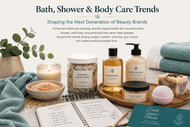
The bath, shower, and body care industry is entering a new era. Consumers are no longer purchasing products simply because they need soap, lotion, or bath salts. They are purchasing experiences, routines, and rituals that fit into their daily lives. This shift has created tremendous opportunities for brands that understand where the market is heading and are willing to build products around evolving consumer behavior.
For entrepreneurs, retailers, influencers, spas, wellness companies, and emerging beauty brands, understanding these trends is more important than ever. The products that are gaining traction today are not necessarily the products that dominated store shelves a decade ago. Consumers have become more educated, more selective, and more interested in products that offer both function and experience.
The brands that succeed over the next several years will be those that identify these shifts early and create products that align with how consumers actually use bath, shower, and body care products in everyday life.
One of the biggest changes in the beauty and wellness industry has been the rise of self-care. What was once viewed as an occasional indulgence has become a regular part of many consumers' weekly routines.
People are actively looking for ways to create moments of relaxation and escape within their daily schedules. In many cases, the bath and shower have become the easiest place to do that. Consumers may not have time for a spa visit, but they can create a spa-like experience at home.
This shift has transformed the role of bath and body products. Products are no longer expected to simply cleanse the skin. They are expected to contribute to relaxation, mood enhancement, recovery, fragrance enjoyment, and overall wellness.
For brands, this means that products should be designed around experiences rather than ingredients alone.
While showering remains the dominant cleansing method for most consumers, bathing continues to hold a unique place within self-care routines. Baths provide something showers often cannot: uninterrupted time.
Consumers who take baths are often looking for an immersive experience. They are investing time into the ritual and paying attention to fragrance, water feel, aesthetics, and overall product performance.
This has fueled growth in categories such as:
• Bath soaks
• Mineral bath products
• Magnesium treatments
• Dead Sea salt products
• Aromatherapy baths
• Bubble baths
• Bath oils
• Mood-based bath products
Bath soaks in particular continue to show strong growth because they offer flexibility. They can be positioned around relaxation, sleep, muscle recovery, stress relief, seasonal themes, gifting, wellness, luxury, or simple everyday self-care.
For brands looking to enter the market, bath soaks remain one of the most versatile product categories available.
If there is one factor that consistently influences consumer purchasing behavior, it is fragrance.
Consumers form emotional connections to scent faster than almost any other product characteristic. Fragrance helps define a product's identity, creates memorable experiences, and encourages repeat purchases.
Popular fragrance families continue to include:
• Lavender
• Vanilla
• Coconut
• Citrus
• Fresh scents
• Floral profiles
• Warm gourmand fragrances
What makes fragrance particularly valuable is that consumers rarely stay loyal to a single scent. Many customers enjoy rotating fragrances throughout the year based on seasons, moods, trends, and personal preferences.
This creates opportunities for brands to introduce seasonal launches, limited-edition collections, and coordinated fragrance families that encourage repeat purchases.
Rather than building a brand around a single scent, many successful companies build fragrance ecosystems that allow customers to explore and rotate products within the same product family.
Luxury no longer means expensive packaging or celebrity endorsements. Today's consumer often defines luxury as the way a product makes them feel.
A rich body butter, a beautifully scented bath soak, a silky shower oil, or a high-quality scrub can all create a premium experience without requiring a premium price point.
Consumers increasingly seek products that elevate ordinary routines. They want products that make a ten-minute shower feel more relaxing or a thirty-minute bath feel more restorative.
This trend has fueled growth across categories including:
• Shower oils
• Body oils
• Sugar scrubs
• Salt scrubs
• Artisan soaps
• Body butters
• Specialty body creams
The focus is shifting away from simple functionality and toward creating memorable experiences.
While baths continue to grow, shower products have become one of the most exciting segments in the industry.
Consumers increasingly view showering as more than a cleansing activity. Many now see it as personal time—a chance to decompress, recharge, and enjoy a brief wellness ritual.
This shift has driven demand for products such as:
• Shower oils
• Aromatherapy shower products
• Shower steamers
• Exfoliating scrubs
• Specialized body washes
• In-shower moisturizers
Unlike baths, showers fit easily into daily schedules. This gives brands an opportunity to deliver wellness-focused experiences that require little additional time commitment.
Products that transform an everyday shower into a spa-like experience continue to gain traction across multiple consumer demographics.
Historically, body care often played a supporting role to facial skincare. That is no longer the case.
Consumers increasingly view body care as an extension of their overall skincare routine. Moisturization, skin smoothing, exfoliation, fragrance layering, and targeted treatments have all become major purchasing drivers.
As a result, brands are expanding beyond basic lotions and entering more specialized categories such as:
• Body serums
• Body oils
• Treatment creams
• Firming products
• Foot treatments
• Hand treatments
• Overnight body care products
This trend creates opportunities for brands to develop complete body care systems rather than relying on a single hero product.
One of the most important trends influencing product development is the desire for variety.
Consumers enjoy trying new fragrances, exploring new formats, and discovering products that fit different moods and routines. This is one reason limited-edition collections, seasonal products, and themed product lines continue to perform well.
Rather than creating a single product and expecting customers to remain loyal indefinitely, many successful brands focus on building collections that encourage exploration.
This approach increases customer engagement and creates additional opportunities for repeat purchases throughout the year.
As consumers become more comfortable investing in self-care, specialty products continue to gain attention.
Products designed for specific needs often attract highly engaged customers because they provide a clear purpose.
Examples include:
• Sleep-focused products
• Recovery products
• Foot treatments
• Hand masks
• Cellulite-focused products
• Magnesium products
• Mood-based collections
Specialty products allow brands to differentiate themselves while addressing specific customer interests and routines.
Perhaps the most encouraging trend for entrepreneurs is that consumers continue to seek new brands and new product experiences.
Large national brands still dominate shelf space, but smaller brands often move faster, innovate more quickly, and create stronger emotional connections with customers.
Consumers are increasingly willing to purchase from independent brands when those brands offer unique products, compelling stories, and meaningful experiences.
This creates significant opportunities for startups and growing companies entering the bath and body category.
Identifying trends is only the first step. The real challenge is turning those opportunities into finished products that are ready for customers.
This is where working with an experienced manufacturing partner becomes valuable.
For businesses looking to create custom formulations, packaging, fragrances, and product concepts, The Midwest Sea Salt Company offers comprehensive Private Label Manufacturing Services. Whether you are developing a bath soak, body scrub, shower oil, body butter, or a complete product line, private label manufacturing allows you to bring your vision to life without investing in your own production facility.
For brands that want to move quickly, pre-developed Bulk Formulations provide an efficient path to market. These ready-to-fill products allow businesses to focus on branding, marketing, and sales while leveraging proven formulations.
The future of the category will be defined by experiences rather than commodities. Consumers are looking for products that fit naturally into their routines, support their wellness goals, and create moments of enjoyment throughout the day.
Brands that understand these behaviors will be well positioned for long-term growth.
Whether the focus is bath soaks, body care, shower products, fragrance collections, or wellness treatments, the opportunities continue to expand as consumers invest more time and attention into self-care.
The brands that succeed will be those that create products people genuinely look forward to using.
For entrepreneurs and businesses considering their next product launch, there has never been a better time to enter the bath, shower, and body care market.