
Private Label Essential Oils: A Buyer’s Guide to Launch Planning
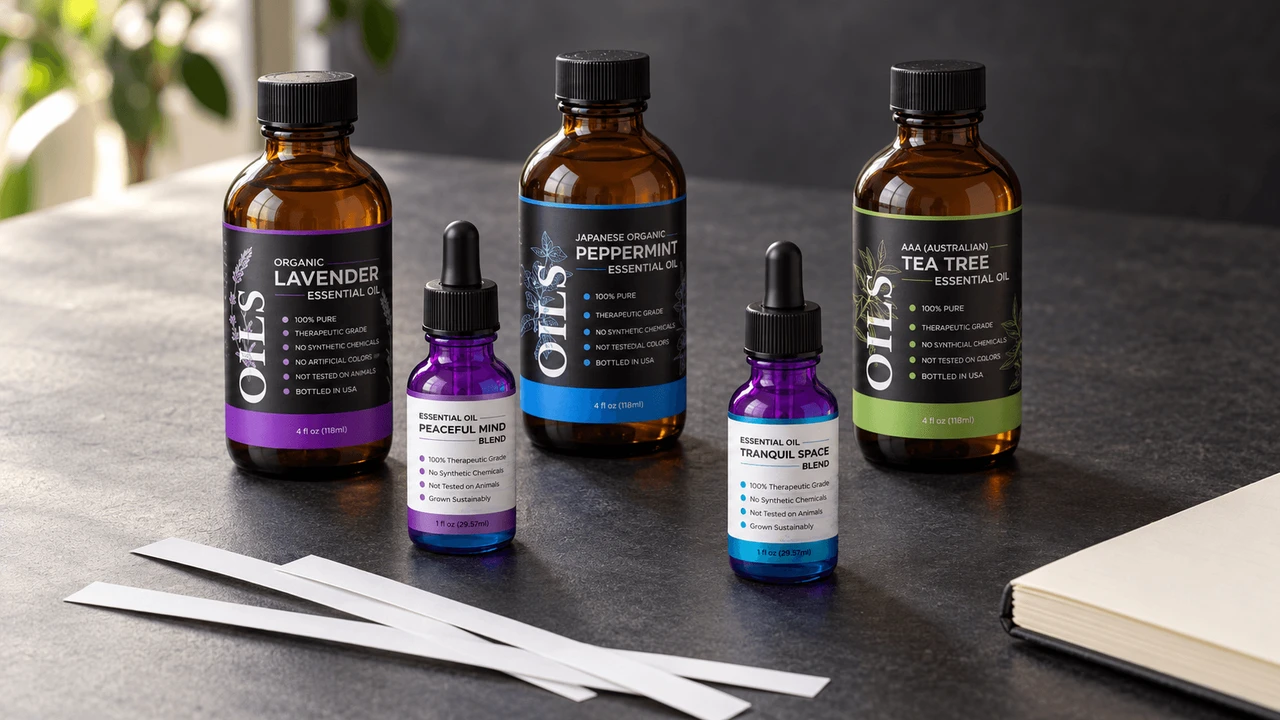
A private label essential-oil project can begin with a scent idea, but it becomes commercially workable only when the product format is clear. A bottle of one botanical oil, a proprietary aromatic blend, and a finished lavender bath soak may share an ingredient while requiring different formula, packaging, labeling, and production decisions.
This guide uses real examples from The Midwest Sea Salt Company to explain those paths. It is written for brands comparing private label essential oils, aromatherapy products, and essential-oil-based bath and body formulations—not for shoppers looking to relabel a retail bottle without a manufacturing review.
Define the product before requesting a quote
Start with one sentence that describes what the customer buys and how it will be used. “A lavender-led aromatic blend for a compatible diffuser” gives a manufacturer a different brief from “a lavender mineral soak in a resealable pouch” or “a diluted body oil for massage.” The application drives the next decisions.
If the brief only says essential oils, it leaves too much unresolved. The formula could be a concentrated ingredient or a finished cosmetic; the package could need a dispensing insert, a dropper, or a scoop. Resolve that distinction before using retail pricing, fill size, or a competitor's minimum order as the basis of a budget.
Three actual product formats to compare
1. A single botanical essential oil
Our Lavender Essential Oil, 4 oz lists Lavandula angustifolia oil and is presented in an amber glass bottle. It is a concentrated botanical material with a floral-herbal identity. Its listed retail format helps illustrate the ingredient type; it does not establish what bottle sizes or minimums would apply to a new private-label order.
For this kind of concept, define the botanical identity and intended application, then ask what specification and batch documentation apply. “Lavender” is a useful consumer name, but a manufacturer needs a more precise material identity to maintain a repeatable product.
2. A multi-oil aromatic blend
Peaceful Mind Essential Oil Blend lists lavender, cedarwood, vetiver, and patchouli. Tranquil Space Essential Oil Blend combines bergamot, geranium, lavender, and rose. These examples show two different aromatic directions built from multiple botanicals.
Use them to make a brief more specific: do you prefer woody and herbaceous, or lighter citrus and floral? Do not assume a reference blend can simply be duplicated or that an existing retail product automatically carries a private-label offer. Ask about a suitable development route for your own project.
3. An essential oil within a finished product
Soothing Lavender Epsom Salt Soaking Solution uses lavender oil within an Epsom-based soak. Here the consumer buys a finished bath product, not a bottle of concentrated oil. The customer measures the whole blend according to its directions.
This may be a more appropriate route if your audience wants an easy bath ritual rather than an ingredient requiring further handling. It also changes the commercial discussion: mineral texture, aroma distribution, moisture protection, pouch labeling, and finished-product instructions become part of the specification.
Build the scent brief in usable terms
Describe the direction, what you want to avoid, and the setting in which customers will encounter it. For example, a spa may want an herbaceous aroma that fits an existing treatment menu. A retail bath line may need a floral direction that remains distinct from its woody and citrus SKUs.
Bring reference products if useful, but explain what you like about them: the opening impression, the balance of notes, or how the aroma fits the brand. A clear sensory description is more productive than asking for something that smells expensive or therapeutic.
Keep functional claims separate from scent language. A blend can have a calming aromatic character without a promise to treat anxiety or a sleep disorder. FDA explains how intended use and claims affect product classification; marketing language belongs in the project review, not at the very end of label design.
Packaging is a formula decision as well as a design choice
Discuss the formula and package together. A concentrated aromatic liquid raises questions about material compatibility, closure performance, controlled dispensing, and storage. A dry soak raises questions about seal quality, moisture exposure, pouring, and the space needed for directions.
A bottle that looks attractive in a mockup is not yet an approved production component. Ask about the proposed container, closure, label fit, and compatibility evaluation. If a dropper, small bottle, unusual cap, or secondary carton is essential to the concept, identify it before approving a formula or planning a launch.
The manufacturing capabilities page describes Midwest's broader filling and packaging process. Its standard jar-and-bottle minimum for formats of 4 oz or larger should not be assumed to cover a one-ounce aromatic bottle. Specific small-format and oil-product requirements need confirmation for the proposed program.
Sampling should answer a decision
Give each sample a purpose. A single-oil sample may help assess aromatic character. A finished soak sample should be reviewed for appearance, texture, measuring, aroma during use, and cleanup under its supplied directions. These are different evaluations.
Use a short written scorecard: product identity, sample version, aroma observations, texture or dispensing observations, and requested changes. Keep the conditions consistent when comparing versions. Changing the package, scent, and base at the same time makes it difficult to identify what actually improved.
Our Custom Sample listing is for a project-specific evaluation arranged with a sales representative; it specifically asks customers to purchase only when requested. Discuss the brief first rather than ordering it as an off-the-shelf kit or assuming it includes final retail packaging.
What to ask about documentation
Request information that matches the product: ingredient identity, applicable specifications, available batch documents, handling instructions, and the evidence needed for proposed claims. A safety data sheet, certificate of analysis, and finished-product assessment serve different purposes.
For aromatic materials, ask what application-specific use guidance applies. IFRA explains that quantitative restrictions relate to the finished consumer product and its intended category. Do not use one supplier's document for a different oil or treat a maximum limit as a recommended formulation percentage.
Plan quantities by SKU, not only by the total order
A launch with several scents creates several product specifications and inventory commitments. Three fragrances in two package sizes can create more operational work than one successful core format. Define the number of SKUs and the expected quantity of each before requesting an estimate. Our guide to minimum order quantities and per-SKU planning explains how to evaluate those commitments.
Separate retail-ready private label manufacturing from bulk formulation production. The latter supplies product without individual retail labeling and packaging. Retail bag sizes in the store do not replace the minimum production requirements of either program.
Build the budget around the whole program, including formula, packaging, quantity per SKU, and freight. Our private-label bath and body cost planning guide explains how those decisions affect a useful quote.
Send a brief a manufacturer can act on
Include the intended use, product format, scent direction, quantity per SKU, target packaging, selling channel, budget, and desired timeline. Identify what is essential and what can change after technical review. Our product brief guide helps organize those details.
A successful essential-oil concept is not simply a pleasing blend in a nice bottle. It is a defined product that can be evaluated, packaged, described accurately, and reproduced. Use Midwest's essential oil range to clarify the aromatic direction, then bring the actual commercial requirements to the manufacturing conversation.