
Popular Soap Scents: 10 Handmade Soaps Compared
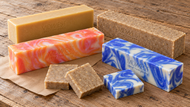
Popular soap scent families include lavender, citrus, woody sandalwood, clean cotton, and sweet fruit or vanilla blends. The best choice depends on the finished bar: how its fragrance is described, whether it has exfoliating texture, and which ingredients and purchase options suit you.
Choosing a handmade soap online is easier when you can connect a scent description to something you already enjoy. Lavender is different from a sweet floral. Lemon with coconut is different from a crisp citrus bar. A warm sandalwood soap and an oatmeal-and-honey soap may both feel comforting, yet appeal to very different preferences.
This guide compares popular soap scent families through actual bars in The Midwest Sea Salt Company's artisan handmade soap collection. It covers fragrance character, texture, ingredients worth checking, and how to put together a selection for yourself or someone else. These are buying recommendations based on product characteristics, rather than a claim that one fragrance outsells every other.
Choose a scent family before choosing a bar
Start with the products you already reach for. If you prefer clean linen and fresh air to sweet perfume, look at fresh and tea-based soaps first. If your favorite bath products have vanilla, honey, or bakery notes, start with warm and sweet bars. If you like botanical aromas, compare lavender with woody or herbal options.
This first decision narrows the range without requiring you to know perfume terminology. Then make a second decision about texture. A smooth-lathering soap and an exfoliating bar can have similarly bright scents but feel different during washing. Treat aroma and texture as two separate choices.
10 handmade soap scents at a glance
| Soap | Scent direction | Useful comparison |
|---|---|---|
| Lavender Supreme | Floral and herbal | A botanical-style contrast to sweet fruit bars |
| Oatmeal, Milk & Honey | Warm and cozy | Oat kernel powder adds texture |
| Smooth Sandalwood | Woody with a creamy finish | Compare when dessert aromas feel too sweet |
| White Tea Ginger | Soft tea and gentle spice | More aromatic detail than a linen-style scent |
| Fresh Cotton | Light, fresh linen | For shoppers drawn to a clean laundry impression |
| Tropical Citrus Exfoliating | Bright citrus | A lightly exfoliating body-bar option |
| Lemon Coconut | Citrus with creamy sweetness | A softer tropical direction than crisp citrus |
| Mango Papaya | Ripe tropical fruit | Compare with berry-and-vanilla sweetness |
| Black Raspberry Vanilla | Berry with vanilla | A sweeter complement to lavender or wood notes |
| Pumpkin Spice | Sweet autumn spice | A seasonal addition to an everyday selection |
This is a comparison of available scent profiles, not a sales ranking. The sections below explain the differences that a short scent name cannot capture.
Lavender Supreme: the floral-herbal choice
Handmade Lavender Supreme Artisan Soap is a useful starting point if lavender is already a familiar favorite. Its scent is lavender-led, and its listed base includes coconut, canola, soybean, olive, and sunflower oils alongside shea butter. The formula also lists fragrance and elderberry fruit powder.
That ingredient detail matters when shopping by scent: a lavender-named soap is not automatically a bar scented only with lavender essential oil. Choose this one for its finished lavender aroma and cleansing format, and read the full ingredient list if a particular ingredient is important to you. For an evening shower gift, it provides a clear contrast to a fruit or citrus bar.
Oatmeal, Milk & Honey: cozy aroma with texture
Handmade Oatmeal, Milk & Honey Artisan Soap takes a warmer, softer direction. Its product description emphasizes a comforting aroma, while oat kernel powder in the ingredient list contributes texture. This is a different choice from the sharper freshness of citrus or the wood-forward character of sandalwood.
Consider it if you prefer a familiar, cozy-smelling bar and enjoy some texture during washing. Its name describes the scent concept, so use the actual ingredient panel to answer questions about milk, honey, or other dietary and ingredient preferences. It is more helpful to compare the complete bar than to assume a scent name is a recipe.
Smooth Sandalwood: woody rather than sugary
Handmade Smooth Sandalwood Artisan Soap offers warm woody notes with a creamy finish. If sweet fruit and rich dessert aromas are usually too much for your taste, this is a different direction to explore. Its ingredient list shares the collection's multi-oil and shea-butter base, with fragrance providing the aromatic character.
For a mixed household, keep scent preferences personal rather than assigning sandalwood to one gender. A woody bar can appeal to anyone who likes that profile. It also works as the grounding choice in a three-bar gift: add a fresh bar and a sweeter one so the selection has genuine variety.
White Tea Ginger versus Fresh Cotton
Two soaps can both be described as clean-smelling without smelling alike. Handmade White Tea Ginger Artisan Soap pairs soft tea notes with gentle spice. Handmade Fresh Cotton Artisan Soap follows a light linen-style direction instead.
Choose White Tea Ginger when you want a little aromatic detail without moving into a strongly sweet scent family. Choose Fresh Cotton when freshly laundered linens are the reference you recognize. These are useful options to compare for a handwashing bar because they offer a different personality from a dessert-inspired soap.
Neither scent description is a promise that a fragrance-sensitive person will tolerate the formula. Both list fragrance. If sensitivity is your main concern, ingredient suitability should lead the purchase rather than the appeal of words such as fresh, soft, or clean.
Tropical Citrus versus Lemon Coconut
Handmade Tropical Citrus Exfoliating Artisan Soap combines a bright citrus direction with a lightly exfoliating feel. It is worth comparing when texture is part of what you want from a body bar. Lather gently rather than treating a textured soap as a reason to scrub harder.
Handmade Lemon Coconut Artisan Soap takes citrus into a creamier, sweeter scent combination. The lemon-and-coconut pairing gives you a different choice from a purely crisp citrus impression. Consider it when you like tropical bath products but do not want to move entirely toward a ripe-fruit fragrance.
If shopping for two people, these bars offer a useful comparison: both sit near the citrus family, but their scent balance and described wash texture are different. That is more informative than selecting two bars simply because both have colorful packaging.
Mango Papaya and Black Raspberry Vanilla
Handmade Mango Papaya Artisan Soap has a ripe tropical-fruit direction. Handmade Black Raspberry Vanilla Artisan Soap combines berry notes with softer vanilla. Both may appeal to fruit-scent shoppers, but they create different impressions: tropical fruit on one side, berry-and-vanilla sweetness on the other.
Choose the fruit family you already enjoy instead of assuming that all fruity soaps are interchangeable. For a gift, either can serve as the sweeter bar alongside Lavender Supreme or Smooth Sandalwood. For your own routine, trying one bar first is a practical way to learn how you like the aroma while lathering and rinsing.
Seasonal scents without a whole new routine
Handmade Pumpkin Spice Artisan Soap brings a sweet-and-spicy autumn character. A seasonal bar can refresh an otherwise familiar wash routine without requiring a completely new set of products. It also gives a themed gift a more specific personality than a selection of unrelated scents.
For a seasonal assortment, keep one familiar everyday bar and add one more distinctive choice. That lets someone explore a new fragrance while still having an option you know fits their preferences. Check current product options and availability before planning a larger gift or retail display.
What to check beyond fragrance
Review the listed ingredients, whether texture is emphasized, and the available purchase format. Several artisan soaps offer single bars, multi-bar options, and a loaf selection. Product descriptions distinguish individually boxed bars from loaf packaging; check the chosen option if you are preparing gifts or stocking a display.
Handmade dimensions and appearance can vary. For everyday use, wet the bar, build lather in your hands or on a washcloth, wash, and rinse thoroughly. Let the soap drain between uses rather than leaving it in pooled water. A draining dish helps you enjoy the bar as a bar instead of repeatedly softening it in standing water.
Questions about choosing scented soap
What is the most popular soap scent?
There is no single winner for every shopper or store. Lavender, citrus, woody, fresh, and sweet scents provide recognizable starting points, but this guide does not claim a national sales ranking. Compare familiar scent families first, then try individual bars before committing to a larger assortment.
Does a naturally inspired scent mean an essential-oil-only soap?
No. A name such as lavender, sandalwood, or mango describes an aromatic direction; it does not establish the fragrance ingredients. Check the finished soap's ingredient panel. Several bars discussed here list fragrance, and the buying decision should reflect that actual formula.
How should I choose soaps for a gift or retail display?
Start with a contrasting assortment rather than several very similar scents. Confirm whether the selected bars are individually boxed, how many bars are included, and which options are currently available. For a retail display, track which finished soaps customers reorder before expanding the range; a balanced initial selection gives you more useful feedback than guessing at a universal bestseller.
A simple way to build your first selection
Choose three contrasting directions: one fresh, one warm, and one botanical or fruity. Fresh Cotton, Smooth Sandalwood, and Lavender Supreme would create a different selection from Lemon Coconut, Oatmeal, Milk & Honey, and Black Raspberry Vanilla. The point is variety that reflects the recipient, not a universal best-soap ranking.
Explore the full handmade soap range once you know the scent family and texture you want. Those two decisions make the individual product pages much easier to compare—and make it more likely the soap you choose becomes a bar you actually enjoy using.