
Lactic Acid vs. Glycolic Acid: Which Fits Your Routine?
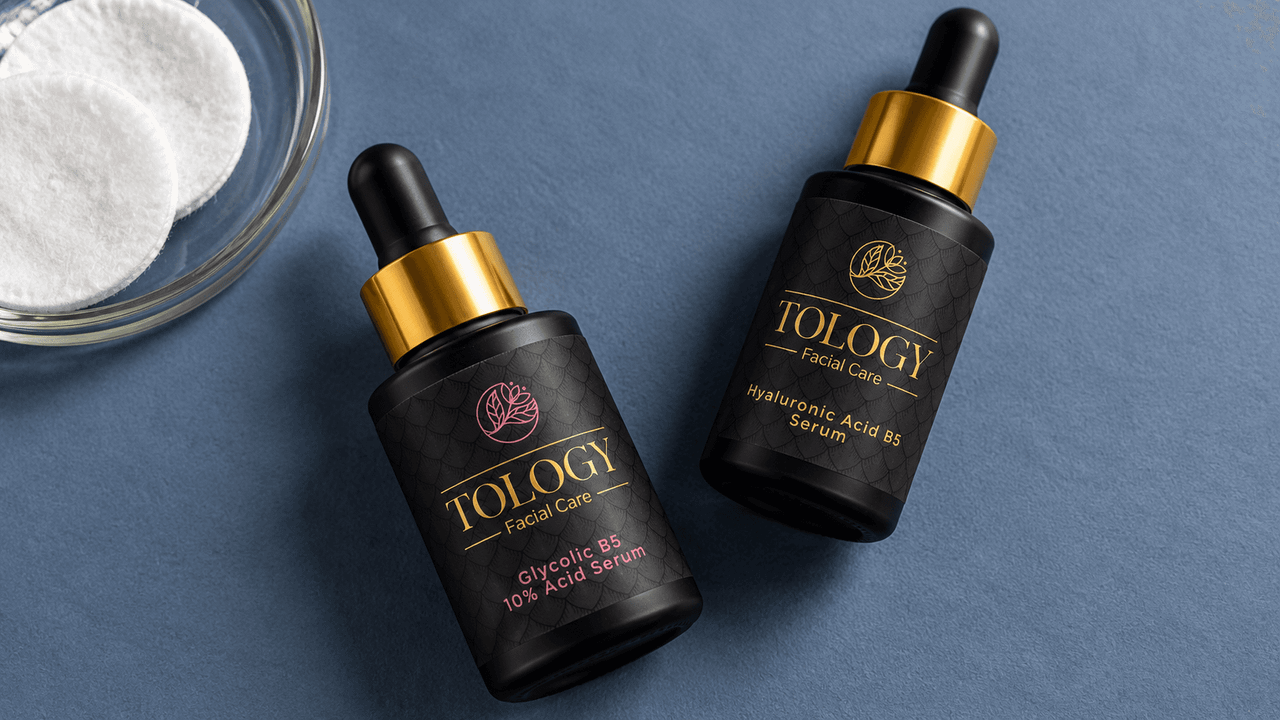
Lactic acid and glycolic acid are both alpha hydroxy acids, or AHAs, used in exfoliating skincare. Glycolic acid has a smaller molecular weight; lactic acid has a different molecular structure and formulation characteristics. Those differences are useful, but they do not tell the whole story about a finished serum. Concentration, pH, contact time, other ingredients, and your existing routine can matter as much as the name on the front.
This guide compares the two acids, explains what research can and cannot tell you, and looks closely at The Midwest Sea Salt Company's Glycolic B5 10% Acid Serum. It also explains why another product containing the word acid may serve a completely different purpose.
The main differences at a glance
| Question | Glycolic acid | Lactic acid |
|---|---|---|
| Ingredient family | Alpha hydroxy acid | Alpha hydroxy acid |
| Molecular weight | Approximately 76.05 g/mol | Approximately 90.08 g/mol |
| Common comparison | Often considered for surface-texture-focused exfoliating products | Often considered where exfoliation and moisturization are both formulation goals |
| What the name cannot establish | Exact strength, tolerability, or application schedule | Exact strength, tolerability, or application schedule |
The molecular information is documented in the NIH PubChem records for glycolic acid and lactic acid. A smaller molecule is not a complete product-performance claim: the finished formulation still determines how an ingredient is delivered and used.
What AHAs do in a cosmetic formula
AHA-containing exfoliating products act on the skin's surface. They are used in formulas aimed at improving the appearance and feel of texture, but an AHA can also have another role, including pH adjustment. An ingredient appearing near the end of a list does not automatically establish a high-strength exfoliating treatment.
FDA explains that the extent of AHA exfoliation depends on acid type, concentration, pH, and the other ingredients. Compare those factors together. Two products with similar headline percentages may not give the same experience if their pH, base, or use pattern differs.
Is lactic acid gentler than glycolic acid?
There is evidence for differences under particular test conditions. A comparative study of several AHAs reported favorable moisturization and lower irritation measures for the L(+) form of lactic acid in the formulations and concentrations examined. That is more specific than the broad claim that every lactic-acid product is gentle.
The distinction matters because lactic acid is not one universal finished cream, and glycolic acid is not one universal serum. A well-tolerated product contains an entire formulation, not an isolated ingredient name. Someone with a sensitive or compromised skin barrier should not use the word lactic as a guarantee against irritation.
For a buyer, the practical question is whether the particular product suits the intended area, the rest of the routine, and the directions you can follow. If that cannot be answered confidently, a dermatologist can help evaluate the choice.
What a head-to-head study tells us
A 22-week, vehicle-controlled clinical trial examined creams containing 8% glycolic acid or 8% L-lactic acid in women with photodamaged skin. Both acid-containing creams showed modest improvements in some assessed measures compared with the vehicle.
This older study supports a more nuanced comparison than one acid always wins. It does not show that every modern serum has identical results, that a higher percentage is better, or that the products in this store were tested in that trial. The tested vehicle, use schedule, study group, and measured outcomes are part of the evidence.
Why concentration and pH need to be read together
The percentage on a product name is only one piece of information. Acidity and the relationship between an acid and its neutralized form influence a formula's behavior. Contact pattern matters as well: a leave-on serum is used differently from a rinse-off cleanser or a professionally applied peel.
You do not need to calculate a chemical formula at home to choose skincare, but you should avoid ranking products solely by the largest number on the label. Ask what the product is intended to do, how it is directed, and what information the manufacturer supplies. Never modify an acid product with kitchen ingredients or concentrated acids to change its strength.
A closer look at Glycolic B5 serum
Our Glycolic B5 10% Acid Serum is listed as a lightweight facial serum in a 30 mL glass dropper bottle. The ingredient panel includes safflower seed oil, glycerin, glycolic acid, kojic acid, salicylic acid, panthenol, tocopheryl acetate, and fragrance.
Several details make this a more useful example than a discussion of glycolic acid alone. The formula lists more than one acid. Salicylic acid belongs to a different exfoliating category commonly called BHA. Panthenol accounts for the B5 reference, while the oil and glycerin are other parts of the formula. The product name does not disclose the individual concentration of every listed component.
Its published directions specify 3–4 drops on clean, dry skin in the evening, applied over the face and neck, with daytime sunscreen. Read the current label before use, avoid the eyes, and do not interpret that direction as a reason to combine it with several other exfoliating products.
Choose it because its complete formula and instructions suit the decision you are making, not because a general article says glycolic acid is automatically the strongest or best AHA for everyone.
Can you use lactic acid and glycolic acid together?
A product formulated with more than one exfoliating ingredient is different from layering separate acid products at home. The presence of both acids in a professionally developed formula does not establish that any two bottles can be combined or alternated without increasing irritation.
Start by identifying every exfoliating or potentially irritating product already in the routine. Our Glycolic B5 serum, for example, lists glycolic and salicylic acids, so it is already more complex than a single-ingredient comparison suggests. Follow the actual product directions and seek individualized advice before adding another acid when tolerability is uncertain. Adding a second exfoliant is not a necessary step simply because both ingredients can be useful separately.
Hyaluronic acid is not another AHA choice
The word acid can create confusion when browsing serums. Hyaluronic acid is not interchangeable with lactic or glycolic acid. Our Hyaluronic Acid B5 Serum is positioned around hydration rather than as an AHA exfoliant.
However, its listed ingredients also include retinol. That is why a reader should inspect the full panel before assuming any hyaluronic-named product is a plain, inactive moisturizer to layer freely with acids. The purpose of comparing these pages is to understand the actual formulas, not to build the largest possible stack of active products.
Chemical exfoliation versus a body scrub
A sugar or salt body scrub uses physical particles and movement; an AHA formula takes a chemical approach. The American Academy of Dermatology distinguishes those methods and recommends matching exfoliation to the skin and existing routine.
Our brown sugar body scrubs belong to that separate body-care comparison. A large body-scrub tub is not a facial-acid treatment, and pouring an acid serum into a scrub is not a suitable shortcut to a stronger product. Decide the application area and format first.
Sun protection and signs to reassess
FDA recommends sunscreen, protective clothing, and limiting sun exposure while using AHA products and for a week afterward. Its AHA labeling guidance explains the sun-sensitivity concern. Evening application does not remove the need to consider daytime protection.
Persistent burning, redness, peeling, or discomfort is a reason to stop and obtain advice rather than increase frequency. Be cautious when a routine already includes retinoids, exfoliants, or products that make the skin sensitive. Strong sensation is not a reliable measure of useful exfoliation.
How to make the final choice
Compare five things: the finished product's intended role, complete ingredient list, concentration information where supplied, application directions, and compatibility with your routine. Glycolic acid and lactic acid can both be relevant ingredients; neither removes the need for that assessment.
For a branded product concept, bring the application area, desired cosmetic outcome, format, and target customer to our manufacturing team. Specific acid-formula suitability requires technical review. For a personal purchase, begin with the actual serum page and label—the most useful comparison is between complete products you can understand and use appropriately.