
How to Use Body Scrub: Before or After Body Wash, and How Often?
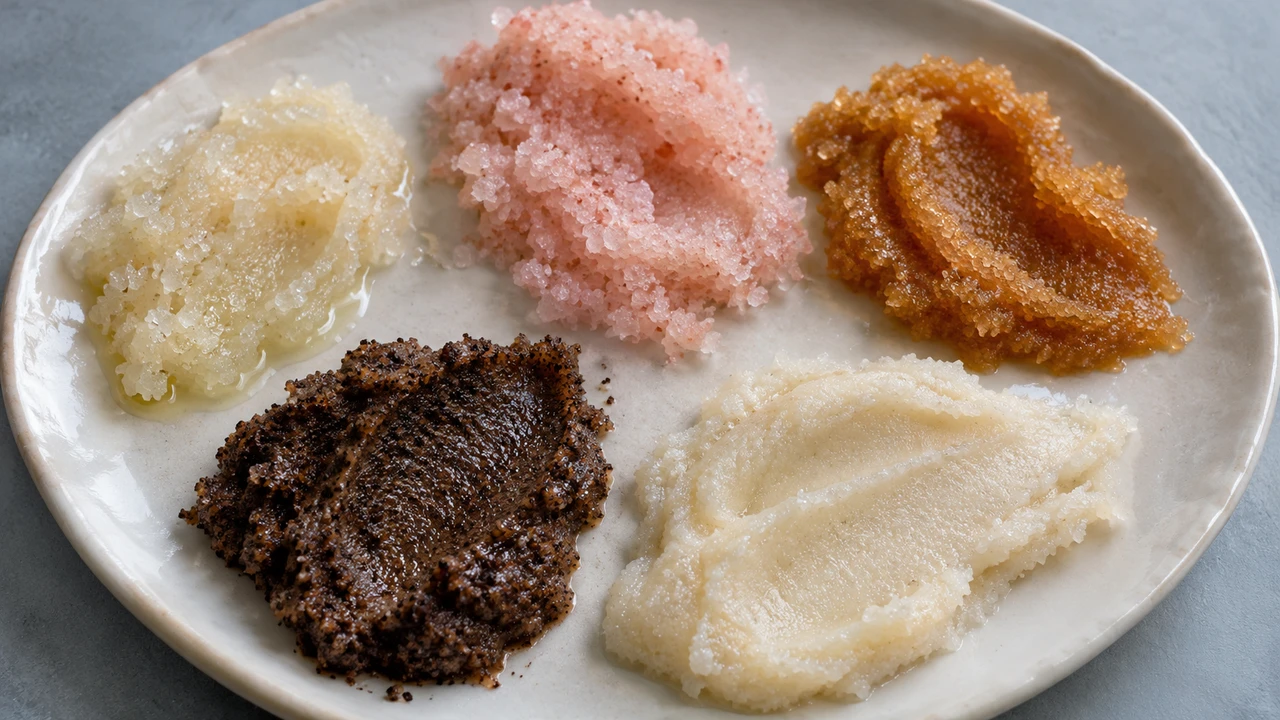
For a separate rinse-off body scrub, a practical shower order is to wash, rinse, gently apply the scrub to wet or damp skin, rinse again, and finish with a moisturizer if needed. The product's directions come first: an exfoliating cleanser may combine steps, while an oil-rich scrub can leave a different finish. How often you use it depends on the formula and how your skin responds.
Learning how to use body scrub is less about adding more steps and more about getting a few details right: the amount of water on your skin, the pressure you apply, the product you choose, and what else is already in your routine. At The Midwest Sea Salt Company, our body scrub collection includes salt, brown sugar, coffee, and emulsified formulas. They share an exfoliating purpose, but their ingredients and rinsing experience are not identical.
Do You Use Body Scrub Before or After Body Wash?
If you are using a separate cleanser and a non-cleansing body scrub, start by washing and rinsing. Then use the scrub as directed. This separates everyday cleansing from exfoliation and makes the routine easier to follow without repeatedly washing the same area. You do not need a second full round of body wash simply because you used a scrub.
Check whether the scrub is also intended to cleanse. Our Hey, Babe Warm Vanilla Sugar Emulsified Scrub, 8 oz, for example, directs users to massage it gently onto damp skin to exfoliate and cleanse, then rinse. That is different from assuming every salt-and-oil formula is a body wash. Nor does the word emulsified automatically tell you how every manufacturer's product should be used.
Let the finished product's instructions settle the order rather than treating an online shower routine as a rule for every formula. Cleveland Clinic's exfoliation guidance also emphasizes gentle preparation, following product instructions, and avoiding unnecessary overlapping exfoliation.
How to Use Body Scrub in the Shower, Step by Step
1. Read the instructions before opening the container
Look at the intended application area, whether skin should be wet or damp, how to rinse, and any cautions on the label. Check ingredients you already know you need to avoid. A fragrance name or an ingredient pictured on a jar does not describe the whole formula. If your skin is already uncomfortable, leave exfoliation for another day.
2. Prepare the area and wet your skin
Use comfortably lukewarm water and complete any separate cleansing step first. Our Apple Mineral Sea Salt Scrub, 16 oz specifies wet skin; several gallon scrub formulas specify damp skin. Both instructions call for water on the skin before application. Dry application is not the method given for these products.
3. Take out a small working portion
Start with enough to spread over one manageable area instead of covering your whole body at once. The amount depends on the formula and the area, so there is no useful universal tablespoon measurement. Keep the main container away from the shower stream. A clean, dry scoop makes it easier to remove a portion without carrying water back into the jar.
4. Massage gently with your hands
Move the product in light circular motions, following its directions. You are spreading an exfoliating formula, not trying to scour the skin. Our Exfoliating Dead Sea Salt Scrub, 128 oz specifically calls for gentle massage on damp skin. Extra pressure is not part of its instructions. Start with hands rather than adding a rough mitt or brush on top of the scrub.
5. Rinse thoroughly
Work in sections so you can rinse the particles away fully. Check areas such as ankles and behind the knees where product can remain after a quick rinse. A scrub is not automatically a leave-on mask: follow its rinse-off instructions rather than allowing grains to dry on the skin. Do not keep rubbing merely to make every particle disappear.
6. Pat dry, assess the finish, and complete aftercare
Notice how the skin feels after rinsing instead of immediately adding another exfoliating step. For a separate moisturizing option, our Unscented Argan Oil Body Butter contains shea butter, argan oil, and glycerin; its directions call for a small amount on clean, dry skin. Compare its full ingredients with your own preferences. The broader body butter and cream collection includes different formulas, so choose by the product rather than expecting one texture from the entire category.
Before leaving the shower, rinse away residue and clean the standing surface as needed. Oils and loose scrub particles can leave a slippery area even when your skin feels well rinsed.
How Often Should You Use Body Scrub?
There is no single schedule that suits every scrub or every person. The American Academy of Dermatology advises matching exfoliation to your skin and method; more aggressive exfoliation generally calls for less frequent use. Its guidance also cautions against exfoliating cuts or sunburn and recommends a gentle touch and moisturizer afterward.
Start by understanding the product's own directions. The salt and brown sugar scrubs reviewed for this guide describe application and rinsing without prescribing a fixed number of weekly sessions. That is not an invitation to use them every day. Introduce one product, observe the result, and allow time between uses to see whether the routine remains comfortable. Daily showering and daily exfoliation are different decisions.
Keep the rest of your routine in mind. A scrub used alongside another exfoliating product is not the same routine as a scrub used alone. Tightness, lingering redness, burning, or peeling are reasons to stop rather than increase the pressure or frequency. If you use prescription skin treatments or have a skin condition, ask your clinician whether a scrub belongs in your routine.
Salt, Brown Sugar, Coffee, and Emulsified Scrubs: What Changes in Use?
The name on the front of a package is a starting point. The ingredient list and directions explain what you will actually put on your skin. These examples show why it is useful to compare finished formulas rather than deciding that all sugar scrubs are alike or all salt scrubs feel the same.
Salt scrubs: compare the mineral base and the rest of the blend
Our Dead Sea salt scrubs combine salt with other ingredients. The original scrub includes glycerin, sweet almond oil, jojoba oil, oat extract, and arnica extract. The Exfoliating Coconut Oil Scrub, 128 oz adds coconut oil to a Dead Sea salt formula. That makes it a product-formula comparison, not simply a choice between two fragrance names.
The Exfoliating Himalayan Salt Scrub, 128 oz uses Himalayan pink salt and also lists glycerin, sweet almond oil, and jojoba oil. Its directions still call for damp skin, gentle circular massage, and thorough rinsing. Changing the mineral base does not mean changing to a harder scrubbing technique.
Brown sugar scrub: do not assume the formula is sugar only
Our Exfoliating Brown Sugar Scrub, 128 oz lists both brown sugar and Dead Sea salt, along with glycerin and oils. Its directions also specify damp skin and gentle massage. This is a good example of why a homemade sugar-and-oil recipe cannot stand in for a finished product's instructions. Explore the brown sugar scrub category when comparing this type of blend, but do not assume the word sugar makes a product suitable for irritated or sensitive skin.
Emulsified sugar scrub: look at the water-contact and rinse-off experience
The Hey, Babe formula discussed above includes sugar, coconut oil, shea butter, sweet almond oil, jojoba oil, and emulsifying wax. Emulsifying ingredients help oil and water mix during use, which can change how the product spreads and rinses. A creamy appearance is not a reason to rub for longer. Follow the damp-skin application and thorough-rinse directions. Other scents in our emulsified sugar scrub collection offer additional choices without requiring a different shower sequence solely because of their scent names.
Coffee scrub: check for more than coffee
Awesome Joe Coffee Scrub, 8 oz combines Robusta coffee, Dead Sea salt, grape seed oil, apricot kernel oil, and sweet almond oil, among other ingredients. Its directions call for a small amount on damp skin, circular massage, and thorough rinsing. It is not simply dry coffee grounds. The coffee and mica in the formula also give you a practical reason to check the shower surface and rinse away visible residue.
Do You Scrub Before or After Shaving?
Do not turn shaving and exfoliation into a mandatory double step. If shaving leaves an area tender, nicked, or irritated, skip the scrub there. The products above are not shaving creams, and their directions do not establish a required waiting period before or after hair removal. Separating the two occasions is a straightforward option when you are learning how your skin responds.
There is no need to add another abrasive tool or an exfoliating acid to make a scrub session more thorough. Cleveland Clinic recommends using one exfoliant at a time and allowing skin to recover. Ask a professional about timing around waxing or other treatments rather than assuming a general shower guide overrides treatment instructions.
Keep the Scrub Container Clean Between Uses
A wet shower and an open jar are an awkward combination. Portion the product away from running water, close the container afterward, and follow its storage instructions. Never add water to the main container to loosen the texture or stretch the remaining product.
The FDA's cosmetic hygiene guidance advises keeping containers clean, washing hands before use, storing cosmetics as directed, and not adding water. Those habits matter even when a scrub contains salt or includes a preservative. A familiar smell or appearance does not prove a contaminated product is safe.
A gallon tub also does not change how much scrub belongs in one application. Take a working portion rather than bringing the whole supply into the shower. Keep the same separation between stored product and product already being used, regardless of pack size.
Frequently Asked Questions About Using Body Scrub
Should I use body scrub on wet or dry skin?
Use the condition specified on your product. The Apple Mineral Sea Salt Scrub says wet skin, while the original Dead Sea, coconut oil, brown sugar, Himalayan, Hey, Babe, and Awesome Joe products reviewed here say damp skin. None of those directions calls for application to dry skin.
How much body scrub should I use?
Begin with a small portion for one area and add more only if needed to spread it comfortably. A fixed scoop size would ignore differences in formula and body area. Awesome Joe specifically directs a small amount; buying a larger package does not mean using a larger amount each time.
How long should I leave body scrub on?
The linked products give massage-and-rinse directions, not a timed leave-on treatment. Use them that way. Leaving the product on until it dries is an extra step the instructions do not request. A scrub's scent or rich texture does not turn it into a mask.
Can an emulsified sugar scrub replace body wash?
Read the finished product's directions. Hey, Babe describes exfoliating and cleansing during application, but that wording should not be applied to every emulsified scrub. Your ordinary cleansing needs and an occasional exfoliating session are separate considerations; the category name alone does not settle both.
Can I use a body scrub on my face?
Do not transfer a body product to the face unless it is specifically directed for facial use. The application area is part of the instructions. Cleveland Clinic notes that body scrubs may be too rough for facial skin; choosing a different scent or smaller jar does not resolve that distinction.
Does unscented mean a scrub contains only salt?
No. Unscented is a scent selection, not a complete formula description. The original Dead Sea scrub still lists glycerin, oils, and extracts, and the coconut oil version includes coconut oil. Read the full list even when you select no added essential oil.
Is brown sugar scrub always gentler than salt scrub?
You cannot establish that from the ingredient name alone. Grain characteristics, the complete formula, and how you use it matter. Our Brown Sugar Scrub contains Dead Sea salt as well as sugar. For a fuller buying comparison, read Sea Salt Scrub vs. Brown Sugar Scrub.
Can I combine a scrub with a loofah or exfoliating mitt?
The linked scrub directions describe massage; they do not require another abrasive tool. Hands are the simpler starting point. Cleveland Clinic's guidance favors one exfoliation method at a time, so combining several methods is not a necessary upgrade to the routine.
What if my skin feels uncomfortable afterward?
Stop using the product and avoid adding more exfoliation. Follow its cautions, and seek clinical advice if the reaction persists or concerns you. Do not assume discomfort is proof that the scrub is working. Exfoliating more often is not a useful response to an uncomfortable result.
Should I choose a retail jar or a gallon tub?
Choose a quantity you can handle and store appropriately. A smaller jar can be easier for trying a formula, while a larger tub holds more of the product you already know you want. Quantity does not change its directions or make it a different exfoliation treatment.
Build a Routine Around the Formula You Actually Choose
The useful sequence is simple: select a suitable product, read its instructions, use a light touch on the specified skin condition, rinse thoroughly, and review how your skin responds before the next use. More pressure, more products, and more frequent exfoliation are not automatic improvements.
If you are still deciding between textures, our guide to choosing a body scrub compares the product families. Use that guide for the selection decision and this one for the application routine, then return to the individual product's ingredients and directions before making your choice.