
From 1,000 Coconut Salt Scrubs to a National Retail Brand
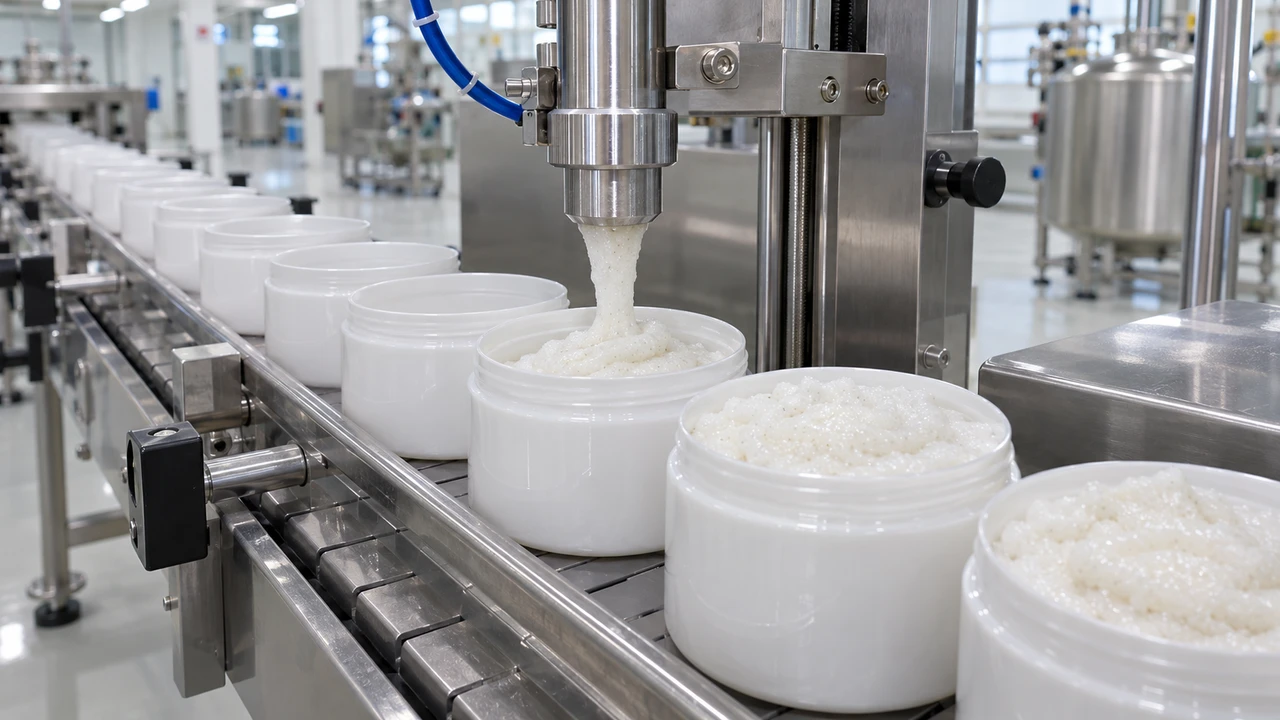
A husband-and-wife team came to The Midwest Sea Salt Company with a coconut salt scrub idea and a plan to sell it on their website and Amazon. Their first order was 1,000 scrubs. Ten years later, that relationship supports a brand with more than 10 SKUs, annual sales volume exceeding 250,000 units, and almost $4 million in annual sales.
The brand's scrubs currently rank among Amazon's top 10 sellers in the salt scrubs category and are also sold through national retailers across the United States. The business has grown well beyond its original online launch while continuing its manufacturing relationship with us.
This is an actual private-label client story. The founders' names, company name, formula and identifying product details remain private under our confidentiality commitments. The results below describe this particular business, rather than a forecast for another brand.
The Coconut Salt Scrub Story at a Glance
- Founders: A husband-and-wife team.
- Starting product: A coconut salt scrub, with an initial order of 1,000 units.
- Original sales channels: The brand's own website and Amazon.
- Manufacturing relationship: Ten years with The Midwest Sea Salt Company.
- Current range: More than 10 SKUs.
- Current annual sales volume: More than 250,000 units across the range.
- Current annual sales: Almost $4 million for the brand.
- Current distribution: Online sales and national retail distribution, with top-10 Amazon seller rankings in the salt scrubs category.
These figures show the difference between the first product order and the business it eventually became. The annual figures apply to the expanded brand; they should not be read as sales of the original coconut scrub alone.
A Consultation and a First Order of 1,000 Scrubs
The relationship began with a consultation about bringing a coconut salt scrub to market. The founders had a product direction and two places they wanted to sell it. That gave the project a specific starting point: manufacture a product for their brand, then introduce it through their own website and Amazon.
The initial 1,000-unit order was a commercial launch, but it was far smaller than the volume the business now sells each year. The founders did not begin with the more-than-10-SKU range they have today. They began with one scrub and built from there over a decade.
For someone considering a similar launch, this is a useful distinction. A first order creates inventory to sell; it does not establish that customers will buy it, return for it, or support a wider range. Those are questions a brand has to answer through its actual sales and customer experience.
The 1,000-unit quantity is a fact about this client's launch, not a universal minimum for every scrub project. Current starting quantities depend on the package and finished specification. Our private-label salt scrub manufacturing page explains today's formula, packaging, sample and order considerations.
Why the Product Matters Beyond Its Coconut Identity
A coconut salt scrub gives customers an understandable product concept. Turning that concept into something a brand can sell repeatedly requires more specific decisions: the salt grain, the base, the way the scrub scoops and spreads, its scent, and the feel it leaves after rinsing.
We are not sharing this client's ingredient list or formulation choices. A coconut product name alone would not tell another founder which ingredients or proportions were used, and it would be misleading to present a generic recipe as the formula behind this business.
For a new scrub project, the practical lesson is to describe the experience you want customers to have. A finer scrub with a lighter finish and a coarser scrub with a richer finish are different development briefs. The container opening, fill weight and closure also need to suit the actual formula.
Our guide to custom body scrub formulation explores these choices in more detail. It is a useful next read for founders who have a product idea but still need to define its texture, fragrance and packaging.
From Website and Amazon Sales to National Retail
The founders originally planned to sell the coconut salt scrub through their website and Amazon. Today, the brand's distribution also includes national retailers across the country. Its scrubs currently hold top-10 seller positions in Amazon's salt scrubs category.
Moving from an online launch to national distribution changes the scale of the supply conversation. A brand may need to support its website, marketplace inventory and retail orders at the same time. Those channels can draw on the same stock while following different replenishment schedules.
For a growing scrub business, the useful planning question becomes: how much of each finished product is needed, for which channel, and when? Total annual sales matter, but they do not replace a forecast by SKU. A popular scrub can sell out even when slower-moving products leave plenty of inventory elsewhere in the range.
These are considerations for other founders evaluating expansion, rather than a disclosure of this client's confidential distribution arrangements. We are keeping retailer names, account terms and operational details private.
Growing From One Coconut Scrub to More Than 10 SKUs
Over ten years, the business expanded beyond its original coconut salt scrub into a range of more than 10 SKUs. That is a meaningful change in both the customer offering and the production work needed to support it.
Each additional SKU introduces another inventory decision. Different products can sell at different speeds, require their own artwork and specifications, and tie up cash until they sell. A wider range can create more opportunities for customers to buy, but the number of products alone does not measure the health of a brand.
For founders planning their next product, a useful test is whether the addition has a clear role. Will it serve a different preference, bring an existing customer back, or meet a specific retailer need? Can the business fund the opening order and a reorder of its strongest seller at the same time?
This client story demonstrates that a focused starting product can become part of a much larger collection. It does not imply that a new brand should launch ten products at once. Our small-batch bath and body manufacturing guide explains how quantities per SKU and packaging choices affect the first commercial order.
What 250,000-Plus Units a Year Means for the Partnership
The expanded brand now sells more than 250,000 units annually and generates almost $4 million in annual sales. Those figures describe a substantial business built over a decade, rather than an unusually large first order or a short-lived launch.
At that scale, manufacturing is an ongoing relationship. The discussion extends beyond making the next batch to keeping approved product specifications clear, planning quantities across the collection, and communicating changes before they affect an order.
For a salt scrub, the approved product experience still matters as volume grows. A brand needs a clear reference for what it is ordering: formula, texture, scent, fill weight, packaging and artwork. Growth makes those details more consequential because a change can affect more inventory and more customers.
Our role in this story is as the client's long-term manufacturing partner. The founders built and grew their brand and sales channels. The outcome reflects their business work as well as the production relationship; manufacturing support by itself does not create Amazon demand, win retail distribution or guarantee sales.
What Other Private-Label Scrub Founders Can Learn
The most useful part of this story is the sequence: a consultation, one coconut salt scrub, a first commercial order, and a larger business developed over ten years. The founders' starting point was specific enough to turn into a product, while the eventual range was much broader.
Before requesting a quote for your own scrub, work through four practical questions:
- What should the first scrub do for your customer? Describe the intended exfoliation, scent and feel after use, along with who will buy it.
- What finished product are you budgeting for? Include the formula, fill size, proposed package and quantity per SKU so the quote reflects what you intend to sell.
- Where will the first order be sold? Identify your planned channels and any confirmed packaging or delivery requirements that need review.
- How will you decide when to reorder or expand? Use sales, stock levels and available cash to guide the next commitment rather than treating more SKUs as the goal.
You do not need a national retail account to start that conversation. You do need a realistic first project and a willingness to make product and inventory decisions as the business develops.
Start a Salt Scrub Project for Your Brand
Ten years ago, this husband-and-wife team began with a coconut salt scrub and 1,000 units to sell. Today, their brand reaches online shoppers and national retail customers with a range selling more than 250,000 units a year. We value the opportunity to remain their manufacturing partner throughout that growth.
If you are considering your own product, explore our private-label manufacturing program, then send the scrub concept, texture and scent direction, package preference, quantity per SKU, budget and proposed timing. Those details let us review a practical product and production plan for your brand.
Discuss a Salt Scrub for My Brand
Client name and identifying details are withheld under confidentiality commitments. Business figures and Amazon category placement are supplied by The Midwest Sea Salt Company and reflect the information reported for this story in November 2026. Rankings can change. Individual business results vary.