
Magnesium Wellness Flakes, Oil & Cream Trio - Unscented
₫1,156,923.08

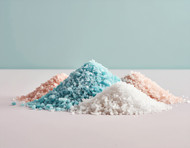
Bath soaks have been part of self-care routines for generations, but not all soak recipes are created equally. Some are designed simply to scent the water. Others are built with minerals, botanicals, and aromatic ingredients that create a more complete sensory experience.
At Midwest Sea Salt Company, we spend a great deal of time thinking about what makes a bath ritual feel intentional, effective, and worth repeating. A good bath soak recipe is not just a random combination of salts and fragrance. It is a blend of texture, solubility, scent, ingredient compatibility, and user experience.
As part of Salt Lab, we want to make more of that process understandable. Whether you are someone who enjoys creating bath rituals at home, a spa professional exploring product concepts, or a brand researching how soak products are structured, understanding the building blocks of a strong bath soak recipe helps you make better decisions.
A bath soak recipe usually looks simple on the surface. Many people think of it as just salt plus scent. In reality, a well-built soak is balancing several different goals at once. It needs to dissolve well in water, feel appealing when dry, maintain a pleasant aroma, and support the positioning of the product, whether that is relaxation, recovery, refreshment, or a more elevated spa-style experience.
A strong bath soak often includes a base mineral system, optional aromatic elements, and optional visual or experiential additions. The exact combination depends on the purpose of the recipe and the audience using it.
Some of the most common formulation goals include:
That is why ingredient selection matters. A soak designed for a calm nighttime ritual will likely be built very differently from one designed for an invigorating morning bath or a spa-inspired recovery product.
The foundation of most bath soak recipes starts with salt. But “salt” is a broad term, and different salts contribute different qualities.
Epsom salt is one of the best-known ingredients in this category. It is commonly used in bath products because it dissolves well, has a familiar position in the market, and gives consumers an immediate sense of function and utility. Epsom salt works especially well in recipes positioned around winding down, recovery, and simple everyday self-care.
Dead Sea salt has a different identity. It tends to support a more elevated, mineral-rich positioning and is often used in products marketed with a spa or premium wellness angle. Its texture, mineral profile, and overall perception can make a recipe feel more specialized.
Magnesium-focused salts and blends are also increasingly popular, particularly in products marketed around evening routines, muscle recovery, and performance wellness. These formulas are often chosen by customers who are more ingredient-aware and actively looking for mineral-forward bath products.
Many of the best soak products are not built on one single salt alone. They often use a combination of salts to achieve a specific texture, look, and dissolving experience. A blend can also help support product cost, visual identity, and end-user feel.
If you are exploring broader ingredient education, our Salt Lab content is designed to help explain how ingredients fit into a finished bath and body product, not just what they are called on paper.
Scent is one of the most important parts of a bath soak recipe because it heavily influences how the product is experienced. Before the soak even touches water, the aroma begins setting expectations. It tells the customer whether the bath is meant to feel calming, uplifting, herbal, luxurious, clean, or seasonal.
Essential oils can help create an aromatic profile that feels rooted in wellness and ritual. Fragrance oils can support a wider range of scent directions and often create more flexibility in developing complex or highly distinctive scent profiles. In many formulations, a thoughtful combination of both provides the best balance of performance, positioning, and cost.
For example, a calming soak may lean into lavender, chamomile-inspired notes, soft vanilla, or other gentle aromatic elements. A more invigorating bath may feature eucalyptus, peppermint, rosemary, citrus, or green herbal notes. A premium seasonal soak may go in a warmer direction with amber, sandalwood, or comforting spice-driven accords.
What matters most is that the scent direction aligns with the purpose of the recipe. Customers can feel when a formula is coherent and when it is not. If the product is visually soft and spa-like but smells overly sharp or disconnected, the experience breaks down.
One of the biggest reasons bath soaks remain so popular is that they offer more than functional use. They create a moment. The dry appearance of the product, the sound as it is poured, the way it moves through the water, and the look of any added botanicals all contribute to that ritual.
Botanical additions can be beautiful, but they should be used with intention. In some recipes, dried flowers or herbs support the visual identity and reinforce the scent story. In others, they may create unnecessary cleanup or interfere with the user experience. The best recipes are the ones where every addition has a reason for being there.
Color is another consideration. Some bath soaks lean into a natural mineral look with muted, earthy tones. Others take a brighter, more giftable approach. The visual direction should match the overall positioning of the product and the expectations of the customer.
A beautiful bath soak recipe is not just one that looks attractive in a jar or pouch. It is one that continues to feel thoughtful from the first scoop to the end of the bath.
Many new makers and early-stage brands assume that a better recipe must be a more complicated recipe. In practice, that is often not true. Some of the strongest soak products are built around a focused ingredient system with a clear purpose and a clean sensory profile.
A simple formula can still feel premium if it is well balanced. In fact, simplicity often improves clarity for the customer. When the positioning is obvious and the ingredient story is coherent, the product becomes easier to understand, easier to market, and easier to reorder.
This same logic applies whether you are making a small batch bath ritual at home or developing a retail-ready bath product for a brand. Too many competing ingredients can dilute the product story. Too many scent directions can confuse the emotional experience. Too many visual additions can turn a clean soak into a cluttered one.
Focus tends to create better products.
One of the best ways to approach bath soak development is to begin with the intended use case instead of the ingredient list. What is the bath supposed to feel like? What kind of person is it for? When will they use it?
A relaxation soak may prioritize a softer, more calming scent family and a gentle mineral base. A recovery soak may use a more performance-oriented identity with sharper herbal or mint-forward directions. A luxury soak may focus on texture, elevated scent, and stronger gift appeal. A refill-friendly soak may emphasize straightforward ingredients, easy handling, and a clean ingredient story.
When the use case is clear, the formulation decisions become much easier. The salt blend, scent direction, packaging style, and messaging can all support the same end experience.
This is also why recipes matter beyond the DIY world. They shape retail performance, customer expectations, and repeat purchase behavior. A product that gives customers a specific ritual they want to recreate becomes far more valuable than a product that is merely decorative.
Even when we are talking about recipes, packaging still matters. How the soak is stored and presented influences freshness, convenience, shelf presence, and perceived value.
For personal use, packaging affects how often the product is reached for and how easy it is to use. For retail, it affects merchandising, shipping, and overall brand identity. A glass jar may feel elevated and apothecary-inspired. A stand-up pouch may feel modern, giftable, and e-commerce friendly. A larger refill format may appeal to customers who use the product regularly and value practicality.
If you are exploring bath soak products as part of a business concept, packaging is one of the many things we guide clients through in our Private Label program and Bulk Formulations program. The formula and the container should work together, not compete with each other.
One of the reasons we love talking about recipes is that they sit at the intersection of creativity and real-world product development. A home bath ritual can inspire a retail concept. A spa treatment idea can grow into a product line. A single strong soak formula can become the beginning of a broader collection built around the same scent or wellness direction.
That is part of the purpose behind Salt Lab. We want to create a space where customers, founders, and brand builders can better understand how products are made and why those details matter.
For some readers, that means learning what kind of soak they actually want to buy. For others, it means understanding how to approach product creation more strategically. And for growing brands, it can mean seeing how a familiar category like bath salts can be elevated through formulation, scent development, and packaging decisions.
Bath soak products remain one of the most accessible and versatile categories in bath and body. They can be positioned as everyday wellness, premium gifting, spa ritual, seasonal self-care, hospitality retail, or performance recovery. They also offer room for variety through salt systems, scents, grain sizes, packaging formats, and visual presentation.
For brands, that versatility is valuable. A well-developed bath soak can work as a hero product, a seasonal limited edition, a complementary item in a larger line, or part of a signature scent system carried across multiple categories.
This is where formulation decisions start to matter in a more commercial way. You are no longer just asking what smells nice. You are asking:
When those questions are answered well, the result is not just a “bath salt product.” It becomes a repeatable, recognizable product experience.
The best bath soak recipes are the ones that feel intentional from beginning to end. They begin with a clear purpose, use ingredients that support that purpose, and deliver a sensory experience that customers genuinely want to return to.
Sometimes that means a clean and simple soak built around a familiar mineral base and a soft aromatic profile. Other times it means a more elevated blend with premium minerals, distinctive scent development, and a stronger visual story. Neither approach is automatically better. What matters is that the product feels coherent, useful, and well made.
If you want to continue exploring how bath and body products are built, visit Salt Lab. If you are researching a custom soak product for your own business, you can also learn more about our Private Label, Bulk Formulations, and Wholesale programs.
A better bath ritual starts with better understanding. That is exactly what we are building this space to support.